Macros 101: How to Set Your Protein, Carbs and Fat
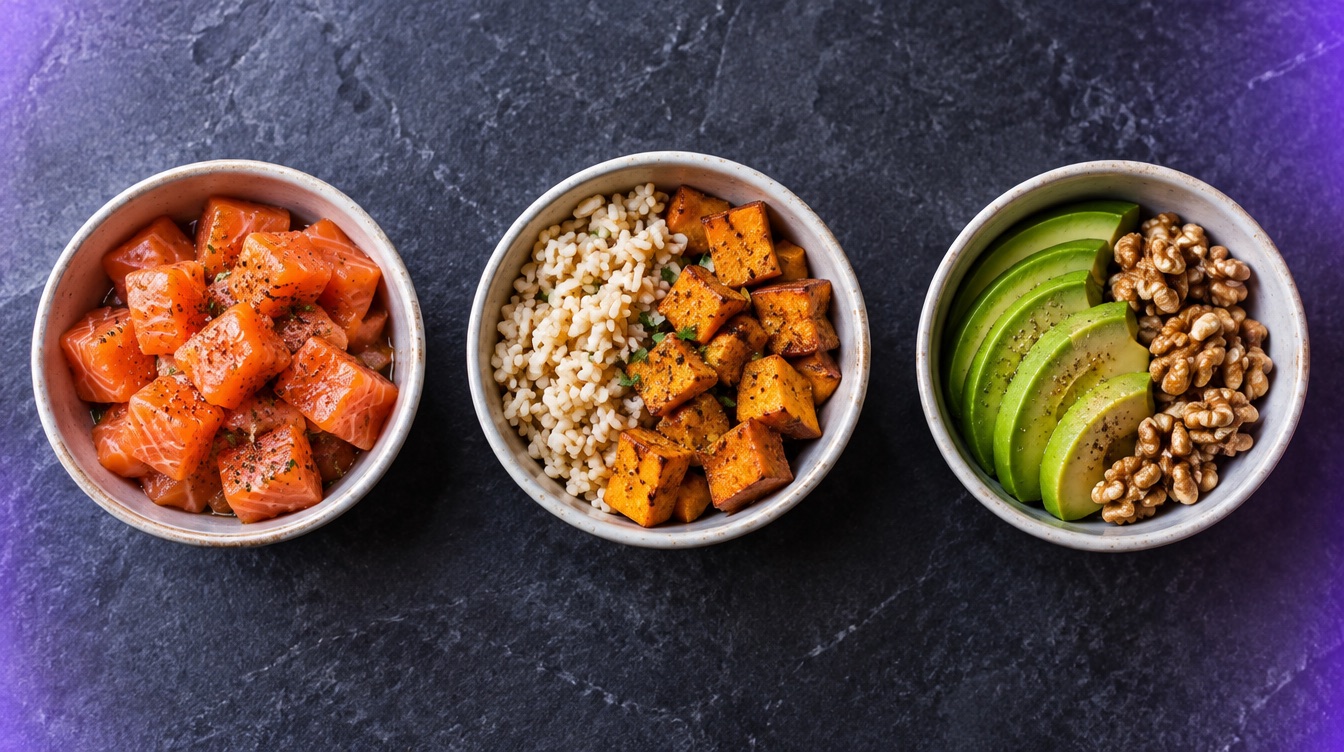
Calories tell you how much energy you eat. Macronutrients, or "macros", tell you where that energy comes from. There are three main macros: protein, carbohydrates and fat. Two diets with exactly the same calories can feel completely different, and produce different results in the gym and on your body, depending on how those calories are split. This guide explains what each macro does and gives you a simple way to set your own numbers.
The basics: calories per gram
- Protein: 4 kcal per gram
- Carbohydrates: 4 kcal per gram
- Fat: 9 kcal per gram
- Alcohol: 7 kcal per gram (not a macronutrient you need, but it counts)
Because fat has more than twice the calories per gram, fatty foods add up quickly. That does not make fat bad. It just means portions of oils, nuts, cheese and butter deserve more attention.
What each macro does
Protein
Protein builds and repairs muscle and other tissues, keeps you full and helps you hold on to muscle when you eat less. It is the macro most people should set first. Active people do well with about 1.6–2.2 g per kilogram of body weight. We cover this in detail in our protein guide, and you can calculate your number with the protein calculator.
Fat
Fat is essential for hormone production, brain health and absorbing vitamins A, D, E and K. Going too low on fat for a long time can affect hormones and how you feel. A good minimum for most adults is about 0.6–1.0 g per kilogram of body weight, or at least 20–25% of your total calories. Focus on mostly unsaturated fats from olive oil, nuts, seeds, avocado and oily fish.
Carbohydrates
Carbs are your body's preferred fuel for high-intensity exercise. They are stored as glycogen in your muscles and liver. They are not strictly essential in the way protein and fat are, but they make hard training feel much better and they come packaged with fibre, vitamins and minerals when you choose whole foods. Carbs fill whatever calories remain once protein and fat are set.
A simple way to set your macros
Here is a method that works for most people:
- Set your calorie target. Start from your TDEE and adjust for your goal (deficit to lose fat, surplus to gain muscle). The calorie calculator will give you a starting number.
- Set protein: 1.6–2.2 g/kg. Multiply grams by 4 to get calories.
- Set fat: about 0.8 g/kg or 25–30% of calories. Multiply grams by 9.
- Fill the rest with carbs. Subtract protein and fat calories from your target and divide by 4.
Worked example
Mark weighs 80 kg and wants to lose fat. His target is 2,200 kcal.
- Protein: 2.0 × 80 = 160 g → 640 kcal
- Fat: 0.8 × 80 = 64 g → 576 kcal
- Carbs: 2,200 − 640 − 576 = 984 kcal ÷ 4 ≈ 246 g
That leaves him with plenty of carbs to fuel training, enough fat for health and a high protein intake to protect muscle. Our macro calculator does this for you.
Should you go low-carb or low-fat?
When calories and protein are matched, well-controlled studies show that low-carb and low-fat diets produce very similar fat loss. The best split is the one you can stick to. Some people feel great on more fat and fewer carbs; others need carbs to enjoy food and train hard.
A few general guidelines:
- If you do a lot of intense training (sprints, team sports, high-volume lifting, long endurance sessions), more carbs usually help performance. Endurance athletes often need 5–7 g/kg or more on heavy days.
- If you mostly walk and lift a few times a week, a moderate carb intake of 2–4 g/kg is plenty.
- Very low-carb diets can work for some people, but expect lower performance in high-intensity exercise, especially in the first weeks.
Quality still matters
Hitting your macros with doughnuts and protein bars is technically possible, but it is not a great idea. The quality of your food affects your fullness, energy, digestion and long-term health. Aim for:
- Protein mostly from lean meat, fish, eggs, dairy, legumes and soy.
- Carbs mostly from whole grains, potatoes, fruit, vegetables and beans, which also give you fibre.
- Fat mostly from olive oil, nuts, seeds, avocado and oily fish.
- Room for foods you simply enjoy, around 10–20% of your calories, so the plan feels sustainable.
How precise do you need to be?
Not very. A sensible approach is to hit your protein target within about 10 grams and your calories within about 100 kcal on most days. Carbs and fat can float a bit depending on what you feel like eating. Consistency over weeks matters much more than perfection on any single day.
When to adjust
- Your weight is not moving in the right direction after 2–3 weeks: adjust calories by 100–200 kcal, mostly from carbs or fat. Keep protein the same.
- Your workouts feel flat: try moving some calories from fat to carbs, especially around training.
- You are always hungry: increase protein, fibre and food volume (vegetables, fruit, potatoes, soups) within the same calories.
The bottom line
Set your calories first, then protein, then fat, and let carbs fill the rest. Choose mostly whole foods, leave room for things you enjoy, and adjust based on how your weight, energy and training respond. Macros are not a strict rulebook, just a useful map for putting your calories where they do the most good.
This article is general information, not medical advice.