Sleep and Muscle Recovery: Why Rest Is Part of Your Training
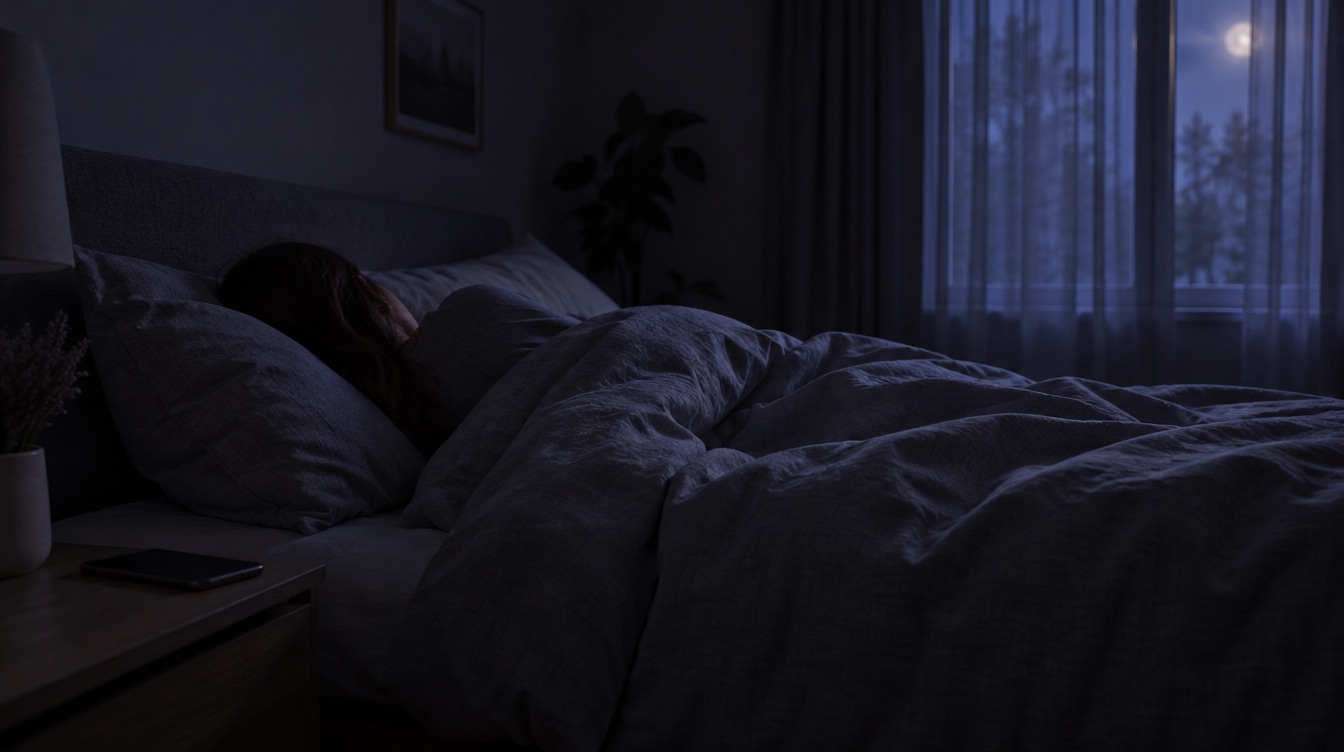
People spend a lot of energy optimising their training plans, diets and supplements, then sleep six hours a night and wonder why progress is slow. Training is the stimulus, but your body actually adapts while you rest, and most of that repair happens during sleep. If you want to build muscle, get stronger, lose fat or perform better, sleep is one of the most powerful tools you have, and it is free.
What happens while you sleep
- Muscle repair: during deep sleep, your body releases most of its daily growth hormone, which supports tissue repair. Protein synthesis continues through the night, using the amino acids from your meals.
- Energy restoration: your muscles refill their glycogen stores, which fuel your next workout.
- Nervous system recovery: heavy training stresses your nervous system as well as your muscles. Sleep is when it resets, which affects coordination, reaction time and strength.
- Hormone balance: sleep regulates cortisol, testosterone, insulin sensitivity and the hunger hormones ghrelin and leptin.
- Memory and skill learning: the brain consolidates new motor skills, like a cleaner squat or a better swimming stroke, during sleep.
What poor sleep does to your progress
Research on sleep restriction paints a clear picture:
- Lower performance: strength, endurance, sprint speed and accuracy all tend to drop after short sleep, and workouts feel harder at the same effort.
- Worse body composition when dieting: in one well-known study, people on the same calorie deficit lost a much larger share of their weight as muscle rather than fat when they slept 5.5 hours instead of 8.5 hours.
- More hunger: sleep loss increases ghrelin (the hunger hormone) and decreases leptin (the fullness hormone). People who sleep less tend to eat more, especially high-calorie snacks.
- Higher injury risk: athletes who regularly sleep less than about 8 hours have been found to have higher injury rates than those who sleep more.
- Weaker immunity: short sleep makes you more likely to catch colds, which interrupt training.
How much sleep do you need?
Most adults need 7–9 hours per night. People who train hard, especially athletes, often benefit from the upper end of that range, and some from even more. A useful self-check: if you wake up without an alarm feeling rested and you do not get sleepy in the afternoon, you are probably getting enough.
Regularity matters too. Going to bed and waking up at roughly the same time every day, including weekends, helps your body clock and makes sleep more efficient.
10 ways to sleep better
- Keep a consistent schedule. Same bedtime and wake time, within about 30–60 minutes, every day.
- Get daylight in the morning. Bright light early in the day sets your body clock and makes it easier to fall asleep at night.
- Limit caffeine after early afternoon. Caffeine stays in your system for many hours. For most people, no coffee after around 2 pm is a good rule.
- Go easy on alcohol. It may help you fall asleep, but it reduces sleep quality, especially in the second half of the night.
- Keep your room dark, cool and quiet. Around 16–19 °C is comfortable for most people. Blackout curtains or an eye mask help.
- Dim screens and lights in the evening. Bright light late at night delays your body clock. Use night modes and lower brightness, or put the phone down for the last 30–60 minutes.
- Do not train too hard too late. Intense workouts close to bedtime can keep some people wired. If you train in the evening, finish a couple of hours before bed when possible.
- Avoid big meals right before bed, but do not go to bed starving either.
- Build a wind-down routine: reading, stretching, a warm shower or breathing exercises signal to your body that sleep is coming.
- Use naps wisely. A 20–30 minute nap in the early afternoon can boost performance without hurting night-time sleep.
Nutrition and sleep
- Protein before bed: studies show that a protein-rich snack before sleep (for example around 30–40 g of slow-digesting protein like cottage cheese, Greek yogurt or casein) can support overnight muscle protein synthesis. It is a useful extra, not a requirement, if you already hit your daily protein target.
- Carbs at dinner: including some carbohydrates in your evening meal may help some people fall asleep more easily.
- Do not dehydrate yourself, but taper fluids in the last hour or two so you are not waking up to go to the bathroom.
Signs you are under-recovered
- Your strength or pace drops for more than a week.
- Your resting heart rate is noticeably higher than usual in the mornings.
- You feel unmotivated, irritable or constantly tired.
- Sore muscles take much longer than usual to recover.
- You keep getting minor illnesses.
If several of these apply, look at sleep first, then at overall training load and nutrition. An easier week (a deload) can help you bounce back.
The bottom line
Sleep is not time off from your training. It is when your training pays off. Aim for 7–9 hours on a regular schedule, protect the hour before bed, watch caffeine and alcohol and treat sleep with the same seriousness as your workouts and meals. It may be the cheapest performance boost you will ever get.
This article is general information, not medical advice. If you snore loudly, stop breathing during sleep or are tired despite enough time in bed, talk to a doctor, as these can be signs of a sleep disorder.