6 Micronutrients Active People Often Miss
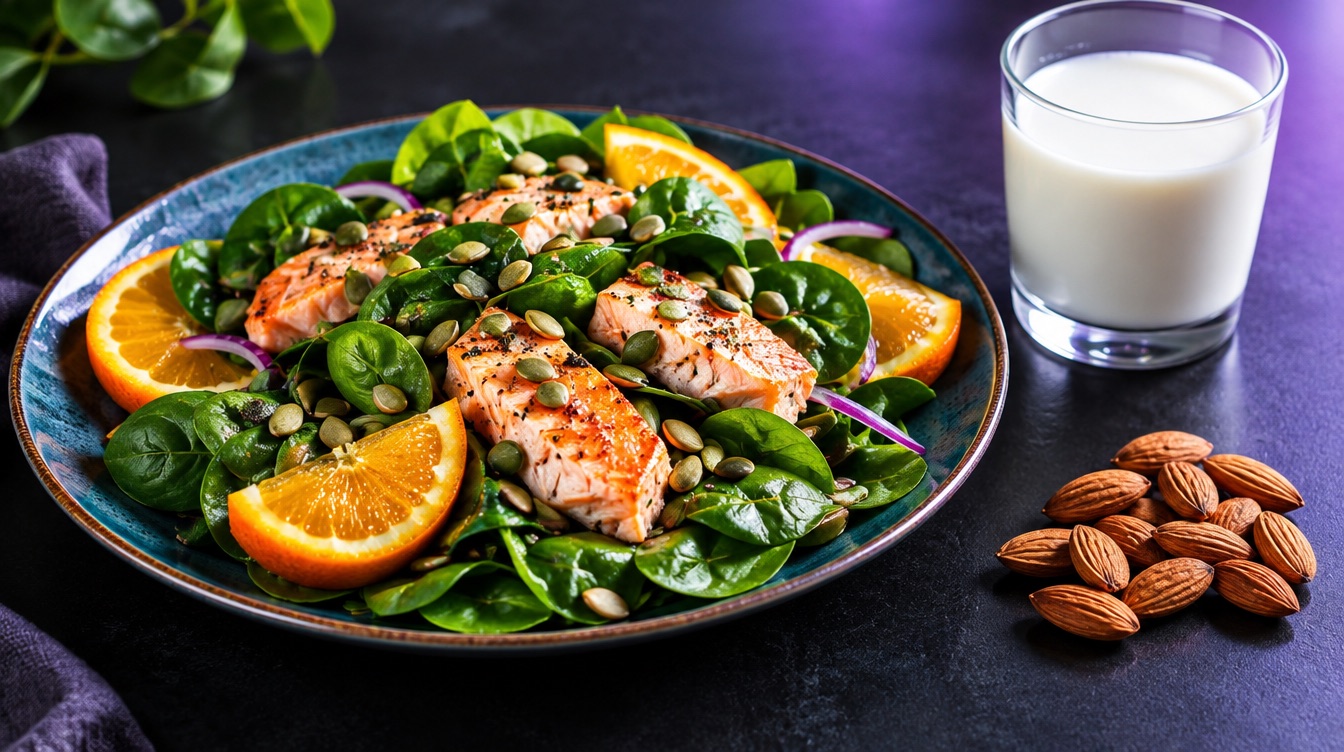
Protein, carbs and fat get most of the attention, but vitamins and minerals, the micronutrients, quietly decide how well your body actually works. They help turn food into energy, carry oxygen in your blood, keep your bones strong and support your immune system. Active people have slightly higher needs for some of them, and several are commonly under-consumed. Here are six worth paying attention to, and how to get them from food.
1. Vitamin D
Why it matters: vitamin D helps your body absorb calcium and supports bone health, muscle function and the immune system.
Why people miss it: your skin makes vitamin D from sunlight, but if you live far from the equator, work indoors or cover up, you may make very little, especially in autumn and winter. Few foods contain much of it naturally.
How much: the US recommendation is 600 IU (15 µg) per day for most adults, and 800 IU (20 µg) for those over 70. Many European countries recommend 10–20 µg.
Food sources: oily fish (salmon, mackerel, sardines, trout), egg yolks, fortified milk, plant milks and cereals, and UV-exposed mushrooms.
Tip: many health authorities in northern countries recommend a vitamin D supplement during the darker months. A blood test can tell you where you stand.
2. Iron
Why it matters: iron is part of haemoglobin, which carries oxygen from your lungs to your muscles. Low iron leads to fatigue, poor endurance and shortness of breath during exercise.
Who is at risk: women who menstruate, endurance athletes (especially runners), vegetarians and vegans, and frequent blood donors.
How much: the US recommendation is 18 mg per day for women aged 19–50 and 8 mg for men and post-menopausal women. Vegetarians may need more, because iron from plants is less well absorbed.
Food sources: red meat, poultry and fish (heme iron, well absorbed); lentils, beans, tofu, spinach, pumpkin seeds and fortified cereals (non-heme iron).
Tip: eat plant iron sources with vitamin C (peppers, citrus, berries, tomatoes) to boost absorption, and avoid drinking tea or coffee right with iron-rich meals. Do not take iron supplements without a blood test, as too much iron is harmful.
3. Calcium
Why it matters: calcium builds and maintains bones and teeth and is needed for muscle contraction and nerve signals.
Why people miss it: people who avoid dairy and do not choose fortified alternatives often fall short. Athletes in weight-sensitive sports who restrict food are also at risk.
How much: about 1,000 mg per day for most adults (1,200 mg for women over 50 and everyone over 70).
Food sources: milk, yogurt and cheese; calcium-fortified plant milks; tofu made with calcium sulphate; canned fish with bones; kale, bok choy and almonds.
4. Magnesium
Why it matters: magnesium is involved in hundreds of reactions in the body, including energy production, muscle and nerve function and blood sugar control.
Why people miss it: diets heavy in refined grains and processed food are low in magnesium. Small amounts are lost in sweat, too.
How much: 310–320 mg per day for women and 400–420 mg for men (US recommendations).
Food sources: pumpkin seeds, almonds, cashews, spinach, black beans, wholegrains, oats, dark chocolate and avocado.
5. Potassium
Why it matters: potassium balances fluids, supports muscle contractions and helps counteract the effect of sodium on blood pressure.
Why people miss it: most potassium comes from fruit, vegetables, legumes and dairy, and many people simply do not eat enough of these foods.
How much: recommendations vary: about 2,600 mg for women and 3,400 mg for men in the US, and 3,500 mg for adults in Europe.
Food sources: potatoes (with skin), beans and lentils, bananas, oranges, tomatoes, spinach, yogurt, salmon and dried apricots.
6. Vitamin B12
Why it matters: B12 is needed for red blood cell formation and nerve function. Deficiency causes fatigue, weakness and, over time, nerve damage.
Who is at risk: vegans and many vegetarians, because B12 is found almost exclusively in animal foods. Older adults and people taking certain medications (for example metformin or long-term acid reducers) may also absorb less.
How much: 2.4 µg per day for adults (US); EFSA sets 4 µg.
Food sources: meat, fish, eggs and dairy; fortified plant milks, cereals and nutritional yeast.
Tip: anyone eating a fully plant-based diet should take a B12 supplement or eat fortified foods every day. This is one of the few supplements that is almost universally recommended for vegans.
Should you just take a multivitamin?
A basic multivitamin can be a reasonable safety net, especially if your diet is limited, but it is not a substitute for real food. Whole foods provide fibre and thousands of plant compounds that pills do not. Targeted supplements, such as vitamin D in winter, B12 for vegans or iron for confirmed deficiency, make more sense than taking everything "just in case". More is not better: high doses of some vitamins and minerals can be harmful.
How to cover your bases
- Eat fruit and vegetables of several different colours every day.
- Include legumes, nuts and seeds several times a week.
- Choose wholegrains over refined grains most of the time.
- Eat oily fish once or twice a week, or choose fortified alternatives.
- Track your food for a week to see which nutrients you regularly fall short on.
- If you feel constantly tired, get a blood test rather than guessing.
The bottom line
Vitamin D, iron, calcium, magnesium, potassium and B12 are the micronutrients active people most often miss. A varied diet built on whole foods covers most of them; supplements are useful for specific gaps, ideally confirmed with a blood test. Getting these right will not make headlines in the gym, but it supports everything you do there.
This article is general information, not medical advice. Talk to a doctor before starting supplements, especially iron, or if you are pregnant or have a medical condition.