Fiber: The Most Underrated Nutrient (and How to Get Enough)
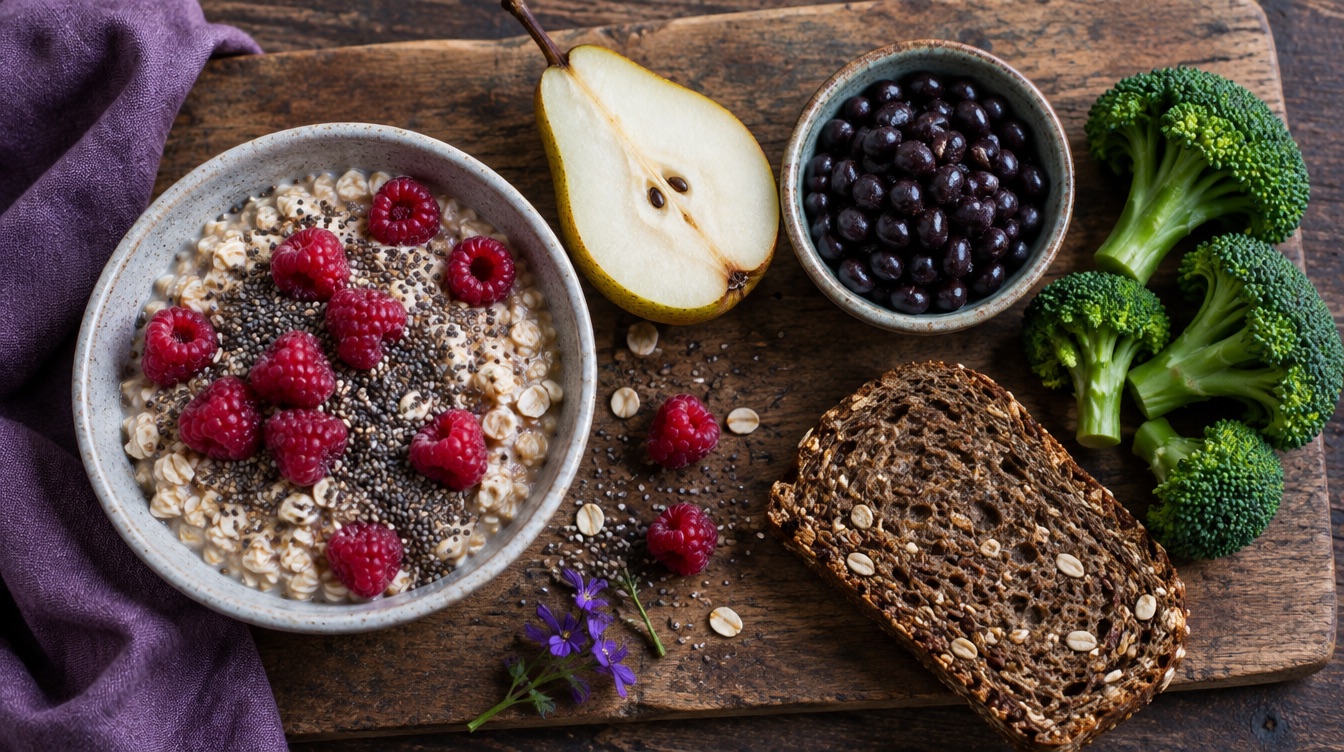
When people think about healthy eating, they usually think about protein, sugar or fat. Fibre rarely gets the spotlight, yet it is one of the nutrients most people fall short on and one with some of the strongest evidence for long-term health. It keeps you full, supports your gut and helps control blood sugar and cholesterol. Here is what fibre does, how much you need and how to get more without discomfort.
What is fibre?
Fibre is the part of plant foods your body cannot fully digest. Instead of being absorbed in the small intestine, it travels to the large intestine, where it adds bulk or is fermented by gut bacteria. There are two main types, and most plant foods contain both:
- Soluble fibre dissolves in water and forms a gel. It slows digestion, helps you feel full and can lower LDL cholesterol and blunt blood sugar spikes. Good sources include oats, barley, beans, lentils, apples, citrus fruits and psyllium.
- Insoluble fibre does not dissolve. It adds bulk to stool and helps food move through your gut, which prevents constipation. Good sources include wholegrain bread, bran, nuts, seeds and the skins of fruit and vegetables.
Why fibre matters
- Fullness and weight control. High-fibre foods are bulky and take longer to eat and digest. They help you feel satisfied on fewer calories, which is very useful when you are trying to lose fat.
- Gut health. Some fibres act as food for beneficial gut bacteria, which produce short-chain fatty acids that support the lining of the colon.
- Heart health. Large studies consistently link higher fibre intake with a lower risk of heart disease, and soluble fibre helps lower LDL cholesterol.
- Blood sugar. Fibre slows the absorption of carbohydrates, leading to steadier blood sugar after meals.
- Regularity. Enough fibre, together with enough fluid, is the most effective everyday way to prevent constipation.
Large reviews of studies have found that people who eat around 25–29 grams of fibre a day or more have lower rates of heart disease, type 2 diabetes and colorectal cancer than people who eat little.
How much do you need?
- European Food Safety Authority: 25 g per day for adults.
- US guidelines: about 14 g per 1,000 kcal, which works out to roughly 25 g for women and 31–38 g for men.
- UK guidelines: 30 g per day.
Most adults in Western countries eat only around 15–20 grams a day, well short of these targets.
Fibre in common foods
- Cooked lentils, 200 g: about 15 g
- Cooked black beans or chickpeas, 200 g: about 12–15 g
- Raspberries, 125 g: about 8 g
- Pear, medium with skin: about 5–6 g
- Oats, 50 g dry: about 5 g
- Chia seeds, 15 g (1 tbsp): about 5 g
- Wholegrain bread, 2 slices: about 4–6 g
- Broccoli, 150 g: about 4 g
- Apple, medium with skin: about 4 g
- Almonds, 30 g: about 3.5 g
- White bread, 2 slices: about 1–2 g
Notice how much difference whole versus refined makes. Choosing wholegrain bread, brown rice and wholemeal pasta instead of white versions can add several grams per meal without changing what you eat.
A day that hits 30 g
- Breakfast: 50 g oats with a handful of berries and a spoon of chia seeds: about 12 g
- Lunch: wholegrain wrap with chicken, salad and hummus: about 7 g
- Snack: an apple and a small handful of almonds: about 7 g
- Dinner: salmon, a portion of broccoli and a potato with skin: about 7 g
That is over 30 grams without any supplements or unusual foods.
How to increase fibre without discomfort
Jumping from 15 to 35 grams overnight can cause bloating and gas while your gut bacteria adjust. Go step by step:
- Increase gradually, by about 5 grams per day each week.
- Drink enough water. Fibre needs fluid to work properly, and too little water with lots of fibre can make constipation worse.
- Spread it out across meals instead of eating a huge bean salad in one sitting.
- Cook legumes well and start with smaller portions. Lentils are often easier to digest than large beans.
- Keep the skins on potatoes, apples and pears when you can.
People with certain digestive conditions, such as irritable bowel syndrome or inflammatory bowel disease, may tolerate some types of fibre better than others. In that case, it is best to work with a doctor or dietitian.
What about fibre supplements?
Supplements such as psyllium husk can help if you struggle to get enough from food, and psyllium in particular has good evidence for lowering cholesterol and improving regularity. But whole foods bring much more than fibre: vitamins, minerals and plant compounds that supplements do not provide. Use supplements to fill a gap, not as a replacement for fruit, vegetables, grains and legumes.
Fibre and fitness goals
If you are trying to lose fat, fibre is one of your best tools: it adds volume and fullness for very few calories. If you are trying to gain weight or muscle and struggle to eat enough, a very high fibre intake can actually make you too full. In that case, you can lean a bit more on refined grains or juice around training, while still keeping fruit and vegetables in your day.
One practical tip for athletes: avoid very high-fibre meals in the few hours before a hard session or race, since they can cause stomach discomfort during exercise.
The bottom line
Most people need 25–30 grams of fibre a day and get far less. Building your meals around wholegrains, legumes, fruit, vegetables, nuts and seeds will close the gap. Increase slowly, drink enough water, and you will likely notice better fullness and digestion within a few weeks.
This article is general information, not medical advice.