Electrolytes and Sweat: Do You Really Need a Sports Drink?
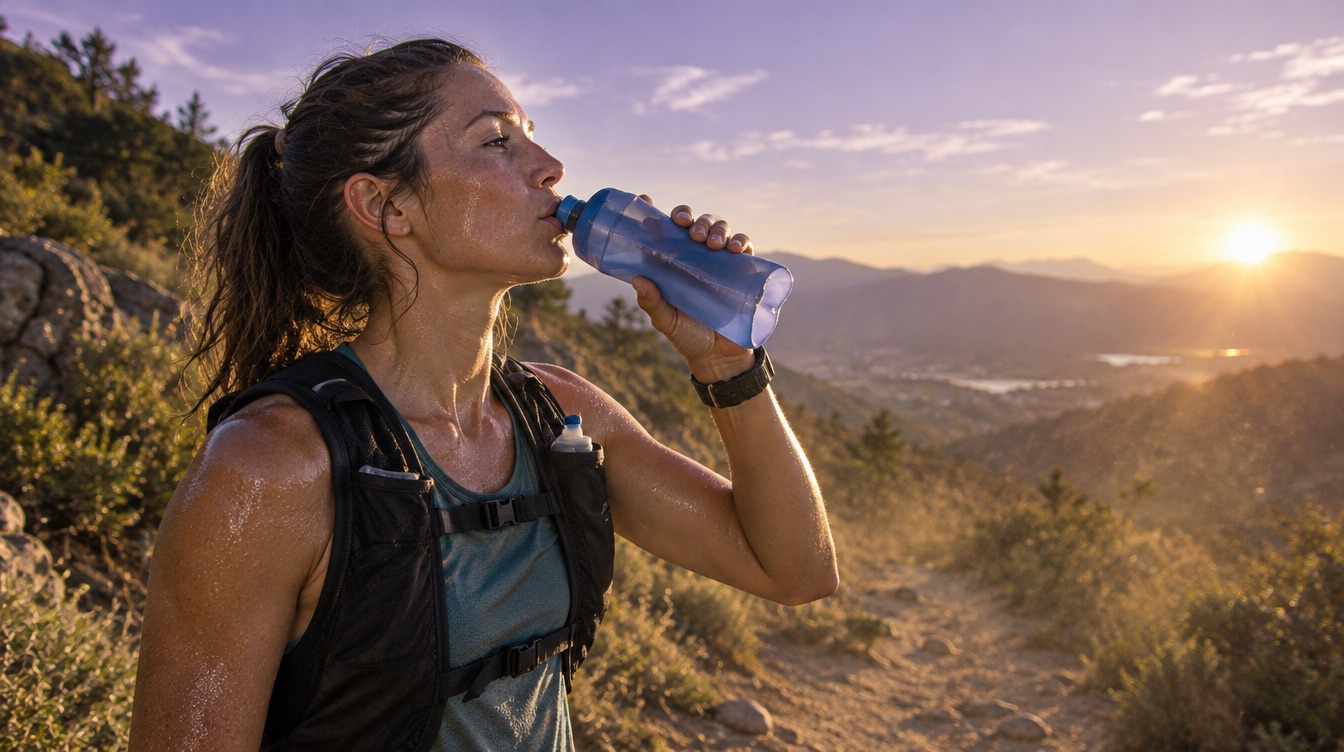
Sports drink adverts suggest that every workout drains you of precious electrolytes and that you need a bright blue drink to recover. For a 40-minute gym session, that is usually not true. But for long, hot or very sweaty sessions, electrolytes, especially sodium, really can make a difference to how you perform and feel. Here is how to tell which situation you are in.
What are electrolytes?
Electrolytes are minerals that carry an electrical charge when dissolved in body fluids. The main ones are sodium, potassium, chloride, magnesium and calcium. They help control fluid balance, nerve signals and muscle contractions, including your heartbeat. Your kidneys keep their levels in the blood within a tight range, and most of the time a normal diet supplies plenty.
What is in sweat?
Sweat is mostly water, but it also contains electrolytes, and by far the most important is sodium. Potassium, magnesium and calcium are also lost, but in much smaller amounts.
How much sodium you lose varies enormously from person to person. Sweat sodium concentration ranges from roughly 200 mg to over 2,000 mg per litre, and sweat rates range from about 0.5 to more than 2 litres per hour. That means one person might lose 300 mg of sodium in an hour of training while another loses 3,000 mg or more.
You might be a "salty sweater" if:
- Your clothes or cap show white, salty streaks after training.
- Sweat stings your eyes or tastes very salty.
- You often get cramps or feel washed out after long sessions in the heat.
When water is enough
For most everyday exercise you do not need anything special:
- Workouts shorter than about 60–90 minutes.
- Moderate temperatures.
- Normal meals before and after training.
Most people already eat more than enough sodium. The typical intake in many countries is well above the World Health Organization's recommendation of less than 2,000 mg of sodium per day. A normal meal after your workout will replace what you lost.
When electrolytes help
- Long sessions: more than about 90 minutes of continuous activity, such as long runs, rides, hikes or matches.
- Heat and humidity: training in hot conditions increases sweat losses significantly.
- Heavy sweaters: people who lose a lot of fluid or salt.
- Multiple sessions per day, or tournaments where there is little time to eat in between.
- Endurance events: marathons, triathlons and long cycling events, where drinking large amounts of plain water without sodium can even contribute to dangerously low blood sodium (hyponatraemia).
In these situations, many athletes aim for around 300–600 mg of sodium per hour, and heavy, salty sweaters sometimes more. This is a rough guide, not a rule. Personal testing works best.
Sports drinks, tablets or food?
- Sports drinks provide fluid, sodium and carbohydrates in one go. They are useful for long, intense sessions where you also need energy. Many contain relatively little sodium, though, so check the label.
- Electrolyte tablets or powders provide sodium (and often potassium and magnesium) with little or no sugar. Good if you need salts but not calories.
- Food works too. Salted crackers, pretzels, a salty soup or broth, or simply adding salt to your post-workout meal can replace sodium very effectively.
What about cramps?
Muscle cramps during exercise are common, and the causes are still debated. Dehydration and sodium loss may play a role for some people, especially in the heat, but fatigue of the muscle and nervous system appears to be a major factor too. Electrolytes can help some athletes, but they are not a guaranteed fix. If you cramp frequently, look at your pacing, conditioning and fuelling as well as salt.
How to find your own needs
- Measure your sweat rate. Weigh yourself (with minimal clothing) before and after a one-hour session, and note what you drank. Weight lost in kilograms plus fluid drunk in litres gives your approximate sweat rate per hour.
- Look for salt signs: white marks on clothing, stinging eyes, salty taste.
- Experiment in training, not on race day. Try different drinks and amounts during long training sessions and see how you feel.
Potassium and magnesium
You lose much less potassium and magnesium in sweat than sodium, and the best way to keep them up is through food. Potassium is plentiful in potatoes, bananas, beans, yogurt, leafy greens and tomatoes. Magnesium comes from nuts, seeds, whole grains, legumes and dark chocolate. Many people do not reach the recommended intakes for these minerals, so focusing on these foods is worthwhile whether you sweat a lot or not.
The bottom line
For short, everyday workouts, water and normal meals are all you need. For long, hot or very sweaty sessions, adding sodium, through a sports drink, electrolyte powder or salty food, can help you perform better and recover faster. Learn your own sweat rate and how salty you sweat, and plan your drinks around that rather than around an advert.
This article is general information, not medical advice. If you have high blood pressure, heart or kidney disease, talk to your doctor before increasing your salt intake.